All Categories
Featured

Securing Final Expense Insurance for Seniors
Staff member compensations will be tax-free if their specific health plan provides minimum necessary protection (MEC). Companies can compensate employees for out-of-pocket expenditures and medical insurance premiums, including those for an HMO or PPO plan. Individual coverage HRA (ICHRA): An ICHRA is likewise a stand-alone HRA, but it's offered to companies of all sizes and has no contribution limitations.
They must have a qualifying type of individual health coverage to participate. Employers can set different allowances based upon employee classes for added customization. Group coverage HRA (GCHRA): Likewise called an integrated HRA, a GCHRA is for companies of any size who use a group health insurance. Only staff members enrolled in their employer's group plan can get involved.
Senior Hearing Aid CoverageWhile they have no optimum contribution limits, the internal revenue service doesn't permit repayments for month-to-month premiums. No matter whether it's utilized in coordination with an HMO or PPO plan, there's an HRA that can help staff members spend for their out-of-pocket medical expenses and, sometimes, their health insurance premiums. An HRA is a popular alternative option over traditional health benefits because they're budget-friendly for employers and versatile enough for each worker.

Understanding 2026 Medicare Benefit Rules for Seniors
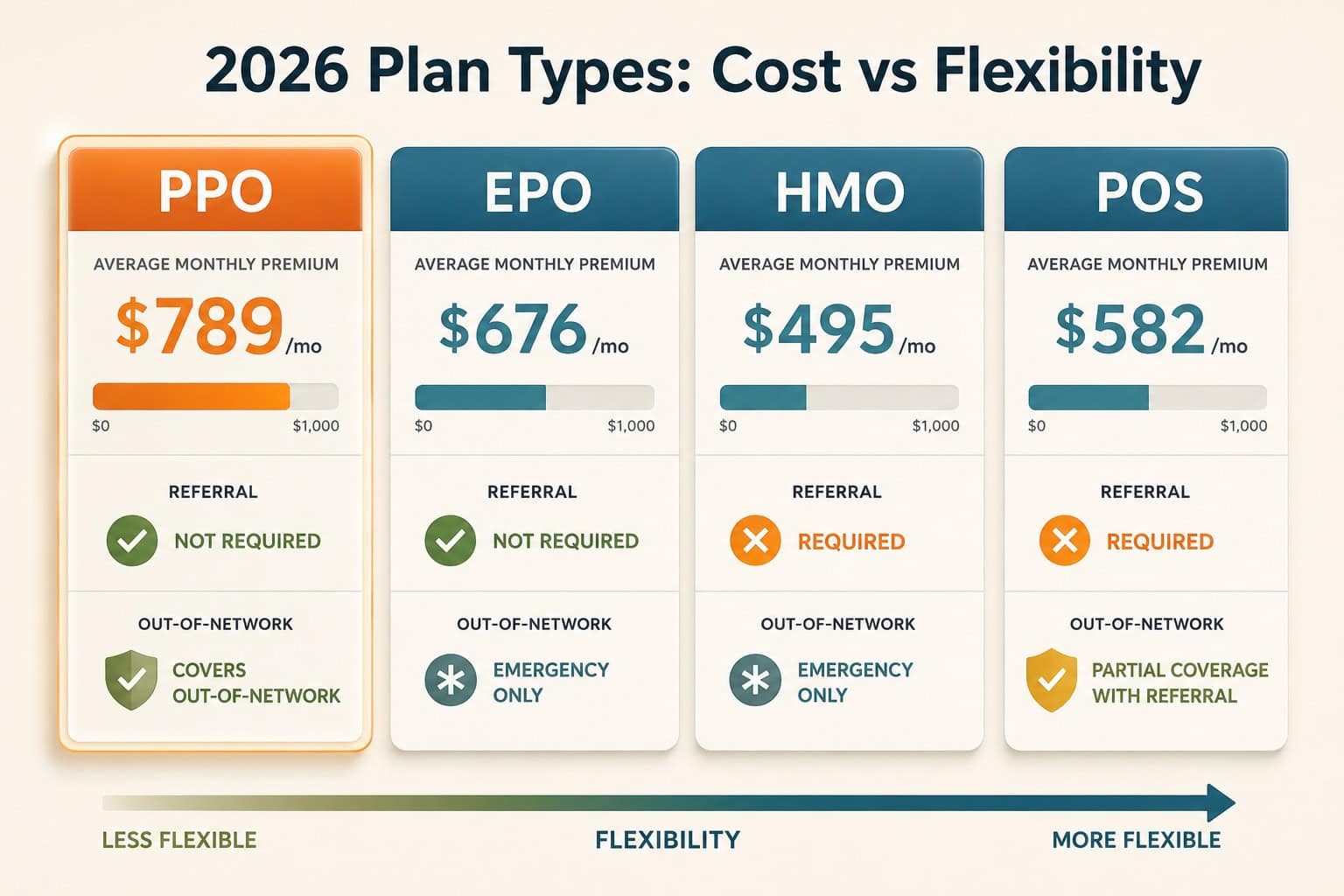
An HMO may be your best option if you're looking for a strategy with a low premium. A PPO strategy offers additional flexibility if you need more control over your health care. That's why researching these plans carefully, including their pros, cons, and typical costs, is the very best first action you can take previously deciding.

Latest Posts

2026 Health Insurance Strategies for Family Security
Securing Final Expense Insurance for Seniors

How to Enroll in Medicare Part D